Street Light Maintenance Using a Skylift
1 min read
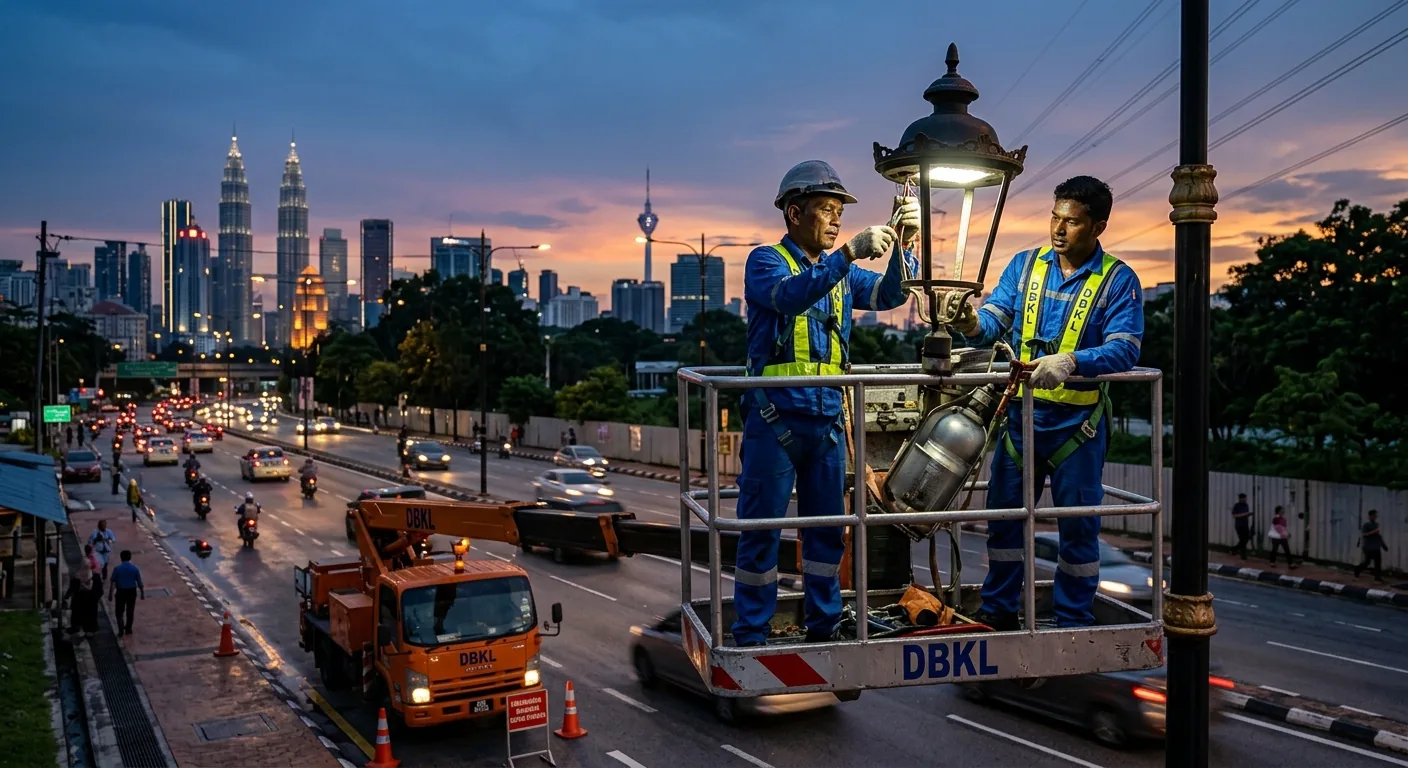
Street light work looks simple until you try it beside a busy road at four in the afternoon. Timing and traffic planning are half the job.
Why night work is usually safer
Traffic is lighter, lanes are easier to close, and a failed lamp is far easier to spot when the others are lit.
The trade-off is visibility. The site needs its own work lighting and clear markings.
Traffic control and permits
Most local councils require notice for work that closes a lane. Arrange it a week ahead where you can.
Cones, signage and at least one traffic marshal are a baseline requirement, not an optional extra.
- Notice to the local council
- Cones and warning signage
- A marshal at each end
- Beacons on the lorry
Planning the route
Order the pole list by route, not by complaint number. That cuts the travelling time between points.
One unit can clear a dozen poles in a single shift when the route is planned properly.